Showing posts with label I. Assignment 8: The Industry. Show all posts

Monday, 24 June 2019

Career Booklet and CV

Task 1:
Make a list of the skills you would be able to take to a job now and think of three examples to support each one.

1. I am good at learning new skills
I volunteered to help The Great Yarmouth Preservation Trust where I did things like writing down information that's on certain graves, and also I learnt how to fix cracks in broken walls.
I can pick up languages quite easily, for example, it only took me around 20 days to be able to fluently know quite a few words in Dutch.
I can watch someone do something and then almost instantly know how to do it, for example, I watched a video someone made on YouTube where they carved soap into things, and when I tried it I was able to do it quite easily despite never doing it before.

2. I'm good at being a team leader/teacher
For my short film I did with my college I was the team leader and made sure that everyone had all the resources they needed and also made sure they understood what needed to be done.
While volunteering to help The Great Yarmouth Preservation Trust I helped set up a day where the general public could come and try working, and while I did that I answered questions about conservation and also explained so some people about how you go about conserving.
On two sperate occasions during school and college, I had to teach the class about Japanese and Korean language and so I had to do research and talk to the whole class about two languages I don't actually know.

3. I'm willing to help at anytime
When I was working in a group for my short film project I would often leave the work that I was currently doing in order to help one of the other members of my group.
Even if I don't know how to help do something I am willing to go out of my way to use the internet to look it up, an example of when I did this is when my mum was struggling to work out how to assemble a glue gun and so I went and looked it up so I could help.
Also when I was volunteering to help The Great Yarmouth Preservation Trust it often occurred on a Saturday and I didn't get paid but that didn't stop me from helping multiple times over the course of about 5 years.


Task 2:
Research, define and explain the following terms by relating them to yourself where necessary.

Part-time refers to how often someone does something such as a job or education. Part-time is when you only do it a few times in a week - such as a 2-day part-time job. I worked at a part-time cleaning job where I only worked from 9-3 on Saturdays.

Full-time refers to how often someone does something such as a job or education. Full-time is when you do it every day or at least Monday-Friday. I'm in full-time education at East Norfolk Sixth Form College

GCSE refers to the courses that you take in high school, for example, GCSE English. I got a C in both GCSE Maths and English.

AS, A level refers to a higher level of courses that you can take in college. I chose not to do A levels and to do BTECs instead as the courses I wanted to do weren't A level

Level 2, level 3, level 4 are the different levels of learning that you do throughout your education. Level 2 is equivalent to a GCSE, Level 3 is equivalent to an A level and Level 4 is equivalent to a foundation year at university. In my 3rd year of college, I chose to do level 2 Criminology.

Pass, Merit and Distinction in the BTEC Nationals refer to the different grades you can get at BTEC, Pass is the lowest and Distinction/Distinction* is the highest that you can get. In my 2nd year of college, I got a Merit in my Travel and Tourism course.

Vocational learning refers to when someone is learning a skill that could lead to a specific job, for example, if someone is learning how to cook they could become a chef or take on an apprenticeship. An example that relates to me is that I want to learn how to do stop motion animation and so I've been learning how to sculpture different models in clay and also have looked for jobs/apprenticeships in sculpting.

Masters degree refers to an advanced degree completed after the person has completed their bachelor's degree. A bachelor's degree is normally required to be in a related field of work.

Graduate (Undergraduate, Postgraduate) is someone who has a bachelors degree and is either working on a Masters or other additional education in that field.


Task 3:
List any 3 jobs mentioned in class or any you may have already been considering. What is the job role? What does it entail? Do you need any special training or skills? Is it freelance work or can you be a permanent member of staff?

Animators are artists that create multiple images, known as frames, which gives the illusion of movement. They often need to know how to draw well, however, some animators are in charge of making the characters move on the screen rather than designing them. Animators often need to get an education in art or graphic design.

Screenwriters are the ones who write the actual scripts for a film/TV show, they can write original ideas or get inspiration from something that already exists. A screenwriter needs to have a skill in writing and also it helps to be creative as they might need to write an original piece of work. Sometimes the screenwriter will be replaced by another person, this mainly happens in the production of TV shows.

Directors are the ones in charge of telling the cast and crew of a film/TV production what to do, they help the production all the way through. The ones who hire the director is the producers, however, directors do have agents that attempt to get them some work. Some directors also write their own scripts and want to do both scriptwriting and directing.


Task 4
Research, define and explain methods of recruitment in the creative media industries. Try to find examples, where relevant*

National Press is a professional business for journalism, it conducts programs all over the world and also uses the internet. These programs are designed specifically to help journalists increase their knowledge skills. NPF conducted 35-50 days of programming annually in 2013.

Trade Press is used to publicise important events, news and ads to people of trades - whether professional or industry - many of them are on a small scale. These magazines/newspapers solely advertise items that are for that specific trade, that allows the magazine/newspaper to get a small income from it. An example of this is Wedding Trader Magazine, this is a focus for wedding trader professionals.

The Internet is used to not only help the unemployed search for work but also allows a potential employer to advertise - or to look at a CV that has been uploaded by a potential employee. An example is Indeed.

Trade Fairs allow trades to showcase what they offer, whether building or wedding. There is a site called 10Times which shows the top 100 up and coming events, such as, The London Textile Fair.

Word of Mouth is how many people find employment, often family members or friends are employed in this manner if a job opportunity arises, often being able to get an interview or instant employment before an advert has gone out.

Internal Promotion is given to a person who has worked well and gives them a better title, which increases their respect to customers and their work colleagues


Task 6
Research, define, explain and provide examples for the following and relate them to yourself and past experiences.

Portfolio/e-portfolio is something someone makes in order to keep all of their paperwork neat and tidy so it's easy for the employer to read. A portfolio needs to have evidence of work that the person has done as well as their experiences, skills etc.

Showreel refers to an edited piece of work that shows off someone's work that they have previously done. 

A personal website is a website that shows yourself on a personal level, not a business or trade page, often through showing information such as skills what previous jobs and experiences. They are more like blogs with other pages showing different information often fun, including hobbies, work even diaries.


Task 7
Research the following presentation skills/methods and explain what you believe would be 'good practice' for each (a list of dos and don'ts would be a suggestion)

Interviewing skills: Having good skills will help you give a good impression in an interview. Learning about the position you are applying for, being confident, making sure you understand what dress code is required. Also, being honest will give a good impression.

Presentation skills: You need good presentation skills in order to confidently show off your work. Making clear points, making sure your slideshow has a font that is easy to read, also you need to talk clearly and hold yourself confidently. Furthermore, you need to make sure that your presentation is easy to watch and catches the attention of the viewer. Make sure that whatever the purpose of your presentation is clearly pointed out and not lost within the slides.

Self‐presentation
linguistic codes: Making sure not to discriminate against others for being 'different', so if you are of an ethnic minority you would seek advice if another member of staff was negative towards you or if you're in the majority you would keep personal opinions to yourself.

dress codes: The learning of and sticking to a particular dress code within a workplace is very important. One example is safety a woman cant go on to a building site wearing an office suit and high heels.

interpersonal skills: The skills we use every day within a workplace, some people have more skills than others, so become leaders of teams. Being a good communicator is very important, also being good at interaction, self-confidence, good work ethics, being a person people can depend on.

References: A reference is an excellent source of information for a future employer, they can compare with your CV and can decide firstly if your CV is truthful and going by what your reference had stated, whether you are suitable for the position they are offering.


Task 8
Research, define and explain the following terms

Training on the job & continuing professional development: Training provides up to date information on trade, for example as new guidelines come into effect. First aid is often offered, training further up the career ladder can also be an advantage and many businesses offer this, at their expense.

Self‐training: Teaching yourself a new set of skills without the aid of someone with experience, for example, a teacher or a senior member of staff.

Sources of information
Trade unions: Are in place to provide legal representation, and they can help with a large number of issues such as safety, wages and communication between employers and their employees.

Sector Skills Councils: Help employers by making sure that apprenticeships reach the standards that are required. They will help employers with training the staff and where there is a staff shortage they will help get more staff.

Careers services: They are a service that offers advice and guidance in helping people with issues they may have in deciding whether they want to work or to learn new skills. They can help with creating a CV, a plan of action and courses that may suit them in the area.


Task 9
Identify the opportunities you have had in the courses that you are currently studying for developing your functional skills

TV and Film:
English - I need to write up essays a lot of coursework.
Maths - If we have work to do as a group then we need to split the work up equally, also when there is a deadline due I need to work out how long I have left to do my work.
ICT - I often need to make a powerpoint/Prezi and work out how to present it as well as put it onto my blog.

Criminology
English - For my exam I needed to write an essay in which I could get marked down for not having correct grammar or spelling.
Maths - I had to remember different statistics and dates, also I needed to remember how long it was until my exam.
ICT - I had to do research on different criminals and crimes, as well as do research for homework.

Legal and Ethical Letter

Monday 24th June 2019
To whom it may concern,

I am writing this letter as I have noticed a few things wrong with your job application, for example, you mention a lot of different things that the candidate will need to manage, however, there is a lot mentioned and it doesn't state if the candidate will be doing all of them at once or if they will build up to doing them all. Furthermore, with contracts such as this one they need to be clear on what the candidate needs to do, when they need to work and how much they will earn, but in your job application it isn't very clear, for example, it says that the salary will be between £15,000 and £35,000 but a candidate will want to be clear on how much they will be getting. Also while dealing with contracts you should also have confidentiality contracts as that helps to keep personal details about the client and vice versa confidential.

The equality act is what makes discrimination on grounds of race, gender or age illegal, this is also why there is an equal opportunities legislation which makes it so employers must aim to recruit fairly. Employers are responsible for the safety and the well-being of their employees, and so are liable for any physical or emotional harm whilst the employee is in their employment. This is why it's not good that you want the candidate to promote a short documentary about rape, as this could be harmful to the candidate if they have a bad history with that kind of thing. Also due to the Health and Safety legislation, the employee can claim compensation if they believe the employer is responsible, however, due to the fact that the candidate isn't employed at that point they won't get any compensation. Furthermore, trade unions exist to protect the right and interests of workers, which, as stated doesn't apply to the candidates that you are looking for as they wouldn't be employed by you yet.

Codes of practice are not part of the law and only exist usually to protect the consumer, it is your responsibility to draw up policies, procedures and codes of practice that are specific to your institution. With the proposed short documentary that you want the candidate to make, it can cause a bad reputation with the people involved in it, as you want to interview people who might be/have been affected, however, this might make people look down on them as they might only know them from the video where they talk about how they were affected by rape. Furthermore, you state that you only want female victims and male offenders, which will put a bad reputation on the males and make it seem like all males are offenders and all females are victims when anyone can be the offender or the victim. Due to media representation, audiences choose to either like a certain person, place, group of people, etc, which is also why people tend to think of males being the offenders and females being the victims, this, however, isn't good as it could cause rumours to spread and false accusations to be made.

The Ofcom Broadcasting Code is made up of 10 main sections, 2 of which is protecting the under-eighteens and harm and offence which you break as you want teenagers to be interviewed and even reenactments of rape, which is obviously breaking the "protecting the under-eighteens" part of the Ofcom Broadcasting Code. Furthermore, you do some harm by asking females to come forward about being affected by the topic, also if a male admits to being an offender then people might try to harm him which also breaks the "harm and offence" part of the Ofcom Broadcasting Code. The Communication Act (2003) and The Broadcasting Act (1990) is the reason Ofcom exists. The Obscene Publications Act 1959 is what lawyers need to check to make sure that factors such as the age range of the audience can affect whether or not the material is deemed obscene. The BBFC is an independent body which classifies films and videos in terms of age suitability, and I think that the short documentary idea that you're proposing would gain an 18 certificate due to the fact that it is meant to show scenes of sexual nature, this also means that its not suitable for high school students who are aged between 11 and 18. Another point I should add is that you want the candidate to make the production but not keep it as their own and that you'd re-compensate them up to the value of £20 for making the video, even though the whole production will probably cost a lot more to make, this breaks the intellectual property law which lets people own their own work that they create.

Yours sincerely,

Chloe Wallace

Sunday, 23 June 2019

Ownership and Funding Essay

Ownership Concepts:


Public Service Broadcasting (PSB) refers to broadcasting intended for public benefit rather than to serve purely commercial interests. This means they provide information, advice or entertainment to the public without trying to make a profit. An example of a PSB is the BBC as all of their TV channels are PSB channels.

Commercial Broadcasting is the broadcasting of TV programs and radio programming by privately owned corporate media. During the 1920s it was the United States' first model of radio, section 14 of the Broadcasting Services Act states that commercial broadcasting services are free to the general public and are usually funded by advertising revenue. An example of commercial broadcasting is Comcast.

Corporate and Private Ownership is when a business company is owned either by non-governmental organisations or by a small number of shareholders. Private companies are important for the world's economy, in 2008 $1.8 trillion was accounted for by 441 of the largest private companies in the US. An example of a private company is Facebook.

Global Companies is a company that does business all over the world, in order to start expanding to other countries you need to introduce both your product and your company to the people of the country. An example of a global company is Coca-Cola where they would sell its drink to the soldiers that were stationed over the world for only 5 cents. 

Horizontal Integration is when a company increases the production of its goods or services in the same part of the supply chain. Horizontal integration is related to the horizontal alliance, which can strengthen the presence in the reference market. An example of horizontal integration is the Heinz and Kraft Foods merger where they merged as one company and the deal valued at $46 billion.

Funding Types:

The Licence Fee refers to how much money it costs to own the licence to something. For example, it costs £154.50 for colour and £52 for a black and white TV licence, depending on someone's case they might get the licence cheaper - people registered as blind are entitled to 50% reduction to the TV licence fee.

Subscription refers to how often people pay and how much they pay, for example, they can pay a monthly, quarterly or yearly subscription fee - Netflix charges £5.99 per month and other streaming sites might charge more.

One-off payment to own product means that the consumer only has to pay a fee once in order to own the product forever. This is often used for purchasing DVDs or Blu-rays. An example of a one-off payment is buying a film on YouTube which you then can own and watch it however many times you want.

 Pay-Per-View refers to the way that people can view a program, they can pay a fee and purchase events to watch live from their house, this means that the broadcaster can show the event at the same time to everyone ordering it. Most people use Pay-Per-View to watch sports, such as professional wrestling.

Sponsorship is when a company pays someone money in order to be sponsored, this is so they can get their names out there. Sometimes a YouTuber will be sponsored by a company that is similar to the content that they make. For example, an artist might get sponsored by a company that makes drawing tablets

Advertising is when YouTube or on TV it shows short videos about a certain product or film which is referred to as ads or adverts, these short clips are used to gain the attention of the viewers so that they might buy the product or watch whatever is being advertised. Adverts are often energetic and fun so it keeps the viewer's attention, or it might have a famous person in it so fans of that person will be interested - for example, the advert for FINAL FANTASY XIV: Shadow-bringers has Tom Holland in it, which will make Marvel fans want to watch the advert.

Product Placement refers to when products offer money to a film or music video to have their product in a shot - for example, 2 characters in a film talking in front of a sign advertising MacDonald. Product placement is often done without outright stating that they are advertising the product, which is why no one in the shot will mention the product but it will be in the shot. An example of a music video having product placement is Star Sign by Ong Seongwoo, where he is singing a song while drinking Pepsi and in most shots, there is something referencing Pepsi.

Private Capital is money that gets provided to a business as a loan investment that doesn't come from somewhere like a bank or government. Private equity is a source of investment capital that actually derives from high net worth individuals and firms that purchase shares of private companies

Crowd-funding refers to the way of gaining money by asking a large number of people for a small amount of money. One way of crowd-funding is using the internet to contact thousands to ask for some money, they can also use social media. An example of crowd-funding is GoFundMe which allows people to make a page to ask for money and it also keeps track of the main goal and how much they have raised.

Developing Technologies Within Television and Film Industry

Consumer Products:

Consumer products are products that the average consumer buys. An example of a consumer product is Windows Movie Maker which allows people to edit footage that they’ve filmed themselves. The pros of using it are that it allows people to figure out how to edit cheaply, however as it isn’t expensive the quality of the editing wouldn’t be great. Furthermore, with some consumer products, they are expensive and so some people might not be able to afford it.

Satellite TV:

Satellite TV is a service that is used to deliver TV products to the viewers by relaying it from a satellite to the viewer's location. An advantage to using satellite TV is that it is easy to install onto your roof, however, a disadvantage is that due to it getting the information from a satellite that is orbiting the Earth the weather can interfere.

Cable TV:

Cable TV is a way of delivering TV programs to the consumer through coaxial cables, or fiberoptic cables. An advantage to cable TV is that the weather won't affect it like it does with satellite and also you can get your cable package with other services like the internet or phones. However, a disadvantage is that the cable companies can make the pricing confusing so that the customers pay more then they need to.

Analogue TV:

Analogue TV is the original TV technology that uses analogue signals to transmit video and audio. An advantage to analogue TV is that it can be used in countries where they don't have good technology, however, in order to use an analogue TV there had to be a transmission tower which meant that they had to spend money on building them and if they broke then the viewers had to wait for it to be fixed

Digital TV:

Digital TV is the transmission of TV signals, including the sound channel, using a digital encoding. An advantage to digital TV is that it has a better sound quality and a better picture as opposed to analogue TV. A disadvantage to digital TV is that it doesn't work during bad weather and so viewers have to wait for the bad weather to finish before they can carry on watching TV.

Streaming:

Streaming media is a way to watch different content on your TV, examples include, Netflix and Now TV. Advantages to streaming are that you have a wide range of show and films to choose from, also if the show is already finished then you don't need to wait for the next episode you can just binge watch it. However, a disadvantage is that you need a good internet connection to watch them, and also you often have to pay a certain amount each week in order to use them.

Interactive:

Interactive television is a form of media convergence, it is a two-way cable system that allows users to interact with it via commands and feedback information. Advantages of interactive television are that the picture is often better quality, also it often has a choice of languages. Disadvantages are that it can be expensive, also it could be hard to set up which would be a problem for the less technical.

The Internet:

The internet is a network that connects people to information on the computer. The internet can be used for a lot of different things, an example is streaming. An advantage of the internet is that you can get any information you want quickly, and also you can talk to people all over the world. A disadvantage is that it is easy to get viruses if you click on the wrong link, and also you could get scammed out of some money.

HD:

HD stands for high definition which is a resolution of 1280 by 720 pixels which is referred to as 720p, there's also 1080p which is a resolution of 1920 by 1080 pixels. Advantages of HD is that it has better video quality and also it's often that things are filmed in HD so a lot of things that are streamed online are in HD. A disadvantage is that often TV manufacturers charge more for an HD TV and so not everyone can afford one.

3D:

3D refers to the enhanced illusion of depth perception within a motion picture. 3D is used to enhance the viewer's sensors while watching a film. The advantage of 3D films is that you get a better experience from them and also if it is a really immersive film like Avatar then people will want to spend the extra money to see it which will earn the company more money overall. However, a con is that it can cause pain or discomfort to the audience as they need to wear specific glasses, furthermore, the quality of the film might go down when watching it in 3D.

Pay-Per-View:

Pay-Per-View refers to the way that people can view a program, they can pay a fee and purchase events to watch live from their house, this means that the broadcaster can show the event at the same time to everyone ordering it. Most people use Pay-Per-View to watch sports, such as professional wrestling. An advantage to Pay-Per-View is that people get the experience of watching something live without having to leave their own home. A disadvantage to Pay-Per-View is that it can be expensive and also nowadays you can find cheaper streaming websites, that are similar.

Digital Recorders:

Digital recorders refer to recording a program you want to watch on TV so that you can watch it at a later date. An advantage to this is that you don't need to worry about missing an episode of the show you're watching or worry about what time it will be on. A disadvantage is you can only record a certain amount before you run out of space which means you need to keep a close eye on how much you are recording.

On Demand:

On-demand refers to a system that allows users to watch/listen to whatever movie or TV show they want without worrying about the scheduled broadcasting time. An advantage to on demand is that you can watch it whenever and for however long you want. However, a disadvantage is that it will mean some TV companies will lose money as they aren't getting as many views.

Tuesday, 18 June 2019

Roles Within the Film Industry

Producers are the ones responsible for the financial, practical and creative part of the production. A producer needs to be able to come up with different story ideas and hiring writers, cast members, directors, etc - which is also why a producer needs to have good creative skills as well as good communication as they need to talk with the writers and also the director. Due to being in charge of the financial side of things they are also in charge of working out how much of a budget the production needs and where they need to spend it. This also means that they need to be well organised as they need to keep a close eye on the budget of the production. A producer will most likely earn a salary between $72,000 to $108,000 - this based on education and experience.

Image result for Tyler PerryDirectors control a film's artistic and dramatic aspects and visualise the screenplay while the cast and crew are guided in making it. It's the director's job to work with the producers as well as the casting directors. Someone who is a director needs to be able to keep calm in stressful situations as well as have good leadership skills as the cast and crew won't listen to someone who can't handle it. Due to the fact that a director needs to talk to a wide range of people, they need to have good communication skills. Directors get paid different amounts depending on what type of film they are, for example, low or high budget, shorts or documentaries. High budget films have a budget of more than $11 million - while working on a high budget film directors earn a minimum of $19,143 a week. When filming takes longer than a week then the director will earn a total of $4,786 per day. Well-known directors will earn money in salaries, for example, Tyler Perry who took the roles of directors, producer, writer and actor of several films in 2009 earned a total of $75 million as his annual income that year.


Image result for Nina GoldCasting directors are in charge of finding the perfect actors for the role of a character in a film or TV show. This means that they need to be able to see talent in someone and have good communication skills as they will be talking to the directors, potential talent and the writers. In 2011 the salary for casting directors was $32,010 per year, however, the top 10% earned $187,000 per year. The average wage per hour was $44.34 in 2011. Also depending on where the casting director works depends on how much they earn, for example, in California, they earn an average of  $61.92 per hour and in New York, they earn $53.84 per hour. The lower paying states have an average pay of 18.60 per hour - these states include, Montana, Maine and Mississippi.

Screenwriters are in charge of writing the screenplays for films and TV shows, this means that they need to have good writing skills and also a good imagination due to the fact that they sometimes have to think of original ideas, however, sometimes they'll write screenplays based off something that's already in existence, which means that they will need to be able to research different material to write about. They also need to have good communication skills as they will need to talk about their ideas to other people and word it in such a way that they understand. According to the Bureau of Labour Statistics, half of all screenwriters earn less than $55,870 a year. Whereas in the film industry they aren't paid a salary but in a fee for the project. A novice writer will most likely earn close to an estimated $56,500 for a project whereas proven writers will earn up to $106,000 for a finished script.

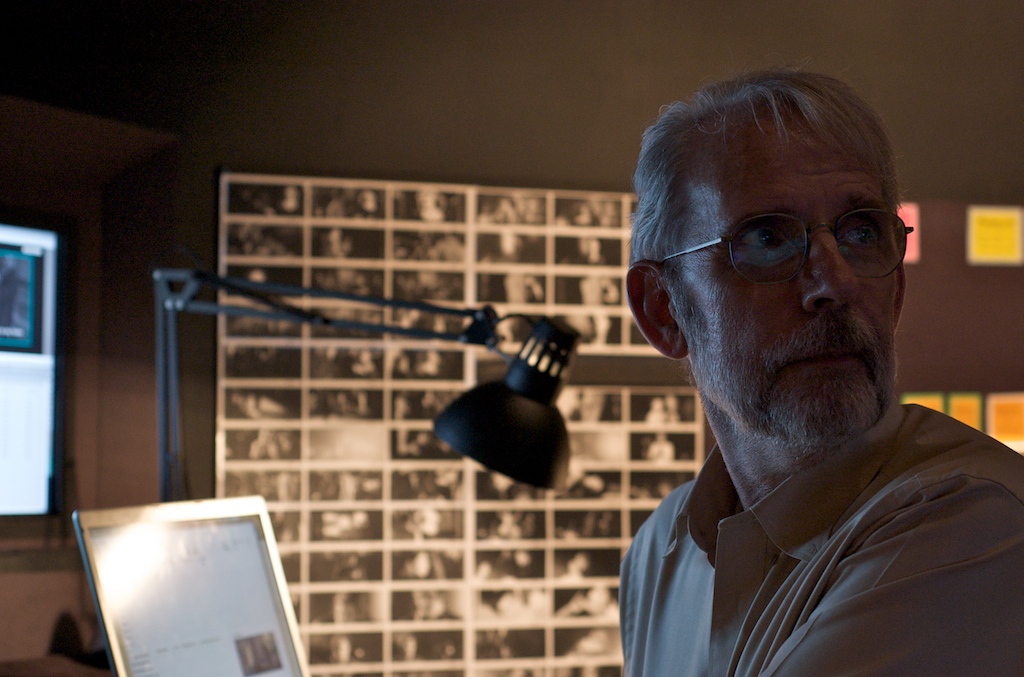
Image result for Walter MurchThe role of an editor is to put all of the footage that was shot for the production together. Editors obviously have to have knowledge of different editing software as well as being able to work in a certain time frame as the production will have a certain due date. Editors also need to be able to work with the directors so they can make sure they are editing the production correctly, which also means that they will need to have good communication skills as they aren't just working with the director but also other editors. The average salary for a film/video editor is £24,147, which is £12.27 per hour.


Image result for Sandy PowellA costume designers job is to choose what each character in the production wears. A costume designer must be able to create different clothes and must have good attention to detail, whether its for the clothes or the scenario for the production. The average salary for a costume designer in America is about $13.40 per hour - a costume designer will start off making around $10.11 and it will rise to about $29.68 per hour.


Image result for coloristColourists are the ones who create the mood and atmosphere of productions by using colours. They must be able to know what each colour means so that they can tell what scene it should be used in. They often work with directors so that they can discuss what looks best in the scene and also discuss what is happening in the scene. The annual salary for a colourist is $69,000, also colourists are either freelance or union which means that they either have their own hourly or day rates, or they have set scale rates.

Image result for director of photographyDirectors of photography are the ones who work with the director to discuss how the production should look and feel. They need to have a good knowledge of cameras and have good attention to detail. Directors of photography have a salary of $125,000 a year which is $64.10 per hour when starting they earn $39,000 a year and then work their way up and earn $135,000 per year.

Image result for grip film industry


Grips are the ones who work out how to make the camera move so that they can get the shot that the director wants. This means that they need to have good communication skills as they will be talking to the director and the directors of photography about the script and what equipment they'll need for each shot. According to Simplyhired.com the average salary for grips was $30,000 however it does change depending on the state. Salaryexpert.com stated that grips earned $28,793, $28,882 and $26,812 in the states of Arizona, Colorado and Florida respectively.


A Publicists job is to manage the publicity for a company, brand or a famous person. They are also responsible for pitching clients to journalists and influencers, arranging interviews and press conferences. The annual publicist salary is $45,862 a year which is $17.02 per hour. A publicist needs to have good conversational skills as they will often be in charge of pitching clients to people which means that they will need to talk confidently about the client.


Sources:
https://www.recruiter.com/salaries/producers-salary/
https://work.chron.com/much-money-film-director-make-7811.html
https://variety.com/2019/film/features/tyler-perry-saying-good-bye-to-madea-calling-colin-powell-1203123982/
https://work.chron.com/casting-directors-salary-4384.html
https://www.theguardian.com/news/2018/apr/26/game-of-thrones-the-crown-nina-gold-casting-director
https://work.chron.com/standard-beginning-wage-scriptwriter-14252.html
https://www.payscale.com/research/UK/Job=Film_%2F_Video_Editor/Salary
https://variety.com/2019/film/features/sandy-powell-favourite-mary-poppins-returns-1203097833/
https://en.wikipedia.org/wiki/Walter_Murch
https://www.careersinfilm.com/colorist/
https://www.premiumbeat.com/blog/what-does-a-director-of-photography-do/
https://careertrend.com/the-salary-of-a-film-grip-13659655.html
https://en.wikipedia.org/wiki/Grip_(job)
https://en.m.wikipedia.org/wiki/Publicist
https://www.mediabistro.com/be-inspired/advice-from-the-pros/what-does-a-publicist-do/
https://www.payscale.com/research/US/Job=Publicist/Salary

Single Camera Techniques Essay

This essay is about the different aspects of a single camera production and the different genres and formats within them. Camera : When ...