Consumer Products:
Consumer products are products that the average consumer buys. An example of a consumer product is Windows Movie Maker which allows people to edit footage that they’ve filmed themselves. The pros of using it are that it allows people to figure out how to edit cheaply, however as it isn’t expensive the quality of the editing wouldn’t be great. Furthermore, with some consumer products, they are expensive and so some people might not be able to afford it.
Satellite TV:
Satellite TV is a service that is used to deliver TV products to the viewers by relaying it from a satellite to the viewer's location. An advantage to using satellite TV is that it is easy to install onto your roof, however, a disadvantage is that due to it getting the information from a satellite that is orbiting the Earth the weather can interfere.
Cable TV:
Cable TV is a way of delivering TV programs to the consumer through coaxial cables, or fiberoptic cables. An advantage to cable TV is that the weather won't affect it like it does with satellite and also you can get your cable package with other services like the internet or phones. However, a disadvantage is that the cable companies can make the pricing confusing so that the customers pay more then they need to.
Analogue TV:
Analogue TV is the original TV technology that uses analogue signals to transmit video and audio. An advantage to analogue TV is that it can be used in countries where they don't have good technology, however, in order to use an analogue TV there had to be a transmission tower which meant that they had to spend money on building them and if they broke then the viewers had to wait for it to be fixed
Digital TV:
Digital TV is the transmission of TV signals, including the sound channel, using a digital encoding. An advantage to digital TV is that it has a better sound quality and a better picture as opposed to analogue TV. A disadvantage to digital TV is that it doesn't work during bad weather and so viewers have to wait for the bad weather to finish before they can carry on watching TV.
Streaming:
Streaming media is a way to watch different content on your TV, examples include, Netflix and Now TV. Advantages to streaming are that you have a wide range of show and films to choose from, also if the show is already finished then you don't need to wait for the next episode you can just binge watch it. However, a disadvantage is that you need a good internet connection to watch them, and also you often have to pay a certain amount each week in order to use them.
Interactive:
Interactive television is a form of media convergence, it is a two-way cable system that allows users to interact with it via commands and feedback information. Advantages of interactive television are that the picture is often better quality, also it often has a choice of languages. Disadvantages are that it can be expensive, also it could be hard to set up which would be a problem for the less technical.
The Internet:
The internet is a network that connects people to information on the computer. The internet can be used for a lot of different things, an example is streaming. An advantage of the internet is that you can get any information you want quickly, and also you can talk to people all over the world. A disadvantage is that it is easy to get viruses if you click on the wrong link, and also you could get scammed out of some money.
HD:
HD stands for high definition which is a resolution of 1280 by 720 pixels which is referred to as 720p, there's also 1080p which is a resolution of 1920 by 1080 pixels. Advantages of HD is that it has better video quality and also it's often that things are filmed in HD so a lot of things that are streamed online are in HD. A disadvantage is that often TV manufacturers charge more for an HD TV and so not everyone can afford one.
3D:
3D refers to the enhanced illusion of depth perception within a motion picture. 3D is used to enhance the viewer's sensors while watching a film. The advantage of 3D films is that you get a better experience from them and also if it is a really immersive film like Avatar then people will want to spend the extra money to see it which will earn the company more money overall. However, a con is that it can cause pain or discomfort to the audience as they need to wear specific glasses, furthermore, the quality of the film might go down when watching it in 3D.
Pay-Per-View:
Pay-Per-View refers to the way that people can view a program, they can pay a fee and purchase events to watch live from their house, this means that the broadcaster can show the event at the same time to everyone ordering it. Most people use Pay-Per-View to watch sports, such as professional wrestling. An advantage to Pay-Per-View is that people get the experience of watching something live without having to leave their own home. A disadvantage to Pay-Per-View is that it can be expensive and also nowadays you can find cheaper streaming websites, that are similar.
Digital Recorders:
Digital recorders refer to recording a program you want to watch on TV so that you can watch it at a later date. An advantage to this is that you don't need to worry about missing an episode of the show you're watching or worry about what time it will be on. A disadvantage is you can only record a certain amount before you run out of space which means you need to keep a close eye on how much you are recording.
On Demand:
On-demand refers to a system that allows users to watch/listen to whatever movie or TV show they want without worrying about the scheduled broadcasting time. An advantage to on demand is that you can watch it whenever and for however long you want. However, a disadvantage is that it will mean some TV companies will lose money as they aren't getting as many views.
Sunday, 23 June 2019

Tuesday, 18 June 2019
Roles Within the Film Industry
Producers are the ones responsible for the financial, practical and creative part of the production. A producer needs to be able to come up with different story ideas and hiring writers, cast members, directors, etc - which is also why a producer needs to have good creative skills as well as good communication as they need to talk with the writers and also the director. Due to being in charge of the financial side of things they are also in charge of working out how much of a budget the production needs and where they need to spend it. This also means that they need to be well organised as they need to keep a close eye on the budget of the production. A producer will most likely earn a salary between $72,000 to $108,000 - this based on education and experience.
 Directors control a film's artistic and dramatic aspects and visualise the screenplay while the cast and crew are guided in making it. It's the director's job to work with the producers as well as the casting directors. Someone who is a director needs to be able to keep calm in stressful situations as well as have good leadership skills as the cast and crew won't listen to someone who can't handle it. Due to the fact that a director needs to talk to a wide range of people, they need to have good communication skills. Directors get paid different amounts depending on what type of film they are, for example, low or high budget, shorts or documentaries. High budget films have a budget of more than $11 million - while working on a high budget film directors earn a minimum of $19,143 a week. When filming takes longer than a week then the director will earn a total of $4,786 per day. Well-known directors will earn money in salaries, for example, Tyler Perry who took the roles of directors, producer, writer and actor of several films in 2009 earned a total of $75 million as his annual income that year.
 Casting directors are in charge of finding the perfect actors for the role of a character in a film or TV show. This means that they need to be able to see talent in someone and have good communication skills as they will be talking to the directors, potential talent and the writers. In 2011 the salary for casting directors was $32,010 per year, however, the top 10% earned $187,000 per year. The average wage per hour was $44.34 in 2011. Also depending on where the casting director works depends on how much they earn, for example, in California, they earn an average of $61.92 per hour and in New York, they earn $53.84 per hour. The lower paying states have an average pay of 18.60 per hour - these states include, Montana, Maine and Mississippi.
Screenwriters are in charge of writing the screenplays for films and TV shows, this means that they need to have good writing skills and also a good imagination due to the fact that they sometimes have to think of original ideas, however, sometimes they'll write screenplays based off something that's already in existence, which means that they will need to be able to research different material to write about. They also need to have good communication skills as they will need to talk about their ideas to other people and word it in such a way that they understand. According to the Bureau of Labour Statistics, half of all screenwriters earn less than $55,870 a year. Whereas in the film industry they aren't paid a salary but in a fee for the project. A novice writer will most likely earn close to an estimated $56,500 for a project whereas proven writers will earn up to $106,000 for a finished script.
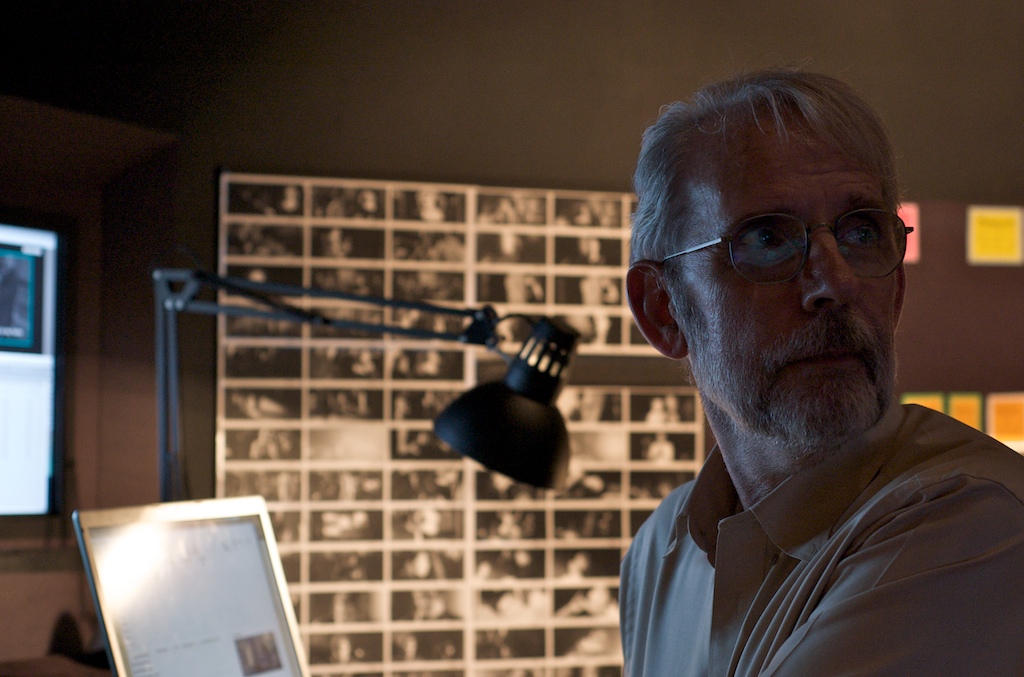 The role of an editor is to put all of the footage that was shot for the production together. Editors obviously have to have knowledge of different editing software as well as being able to work in a certain time frame as the production will have a certain due date. Editors also need to be able to work with the directors so they can make sure they are editing the production correctly, which also means that they will need to have good communication skills as they aren't just working with the director but also other editors. The average salary for a film/video editor is £24,147, which is £12.27 per hour.
 A costume designers job is to choose what each character in the production wears. A costume designer must be able to create different clothes and must have good attention to detail, whether its for the clothes or the scenario for the production. The average salary for a costume designer in America is about $13.40 per hour - a costume designer will start off making around $10.11 and it will rise to about $29.68 per hour.
 Colourists are the ones who create the mood and atmosphere of productions by using colours. They must be able to know what each colour means so that they can tell what scene it should be used in. They often work with directors so that they can discuss what looks best in the scene and also discuss what is happening in the scene. The annual salary for a colourist is $69,000, also colourists are either freelance or union which means that they either have their own hourly or day rates, or they have set scale rates.
 Directors of photography are the ones who work with the director to discuss how the production should look and feel. They need to have a good knowledge of cameras and have good attention to detail. Directors of photography have a salary of $125,000 a year which is $64.10 per hour when starting they earn $39,000 a year and then work their way up and earn $135,000 per year.

Grips are the ones who work out how to make the camera move so that they can get the shot that the director wants. This means that they need to have good communication skills as they will be talking to the director and the directors of photography about the script and what equipment they'll need for each shot. According to Simplyhired.com the average salary for grips was $30,000 however it does change depending on the state. Salaryexpert.com stated that grips earned $28,793, $28,882 and $26,812 in the states of Arizona, Colorado and Florida respectively.
A Publicists job is to manage the publicity for a company, brand or a famous person. They are also responsible for pitching clients to journalists and influencers, arranging interviews and press conferences. The annual publicist salary is $45,862 a year which is $17.02 per hour. A publicist needs to have good conversational skills as they will often be in charge of pitching clients to people which means that they will need to talk confidently about the client.
Sources:
https://www.recruiter.com/salaries/producers-salary/
https://work.chron.com/much-money-film-director-make-7811.html
https://variety.com/2019/film/features/tyler-perry-saying-good-bye-to-madea-calling-colin-powell-1203123982/
https://work.chron.com/casting-directors-salary-4384.html
https://www.theguardian.com/news/2018/apr/26/game-of-thrones-the-crown-nina-gold-casting-director
https://work.chron.com/standard-beginning-wage-scriptwriter-14252.html
https://www.payscale.com/research/UK/Job=Film_%2F_Video_Editor/Salary
https://variety.com/2019/film/features/sandy-powell-favourite-mary-poppins-returns-1203097833/
https://en.wikipedia.org/wiki/Walter_Murch
https://www.careersinfilm.com/colorist/
https://www.premiumbeat.com/blog/what-does-a-director-of-photography-do/
https://careertrend.com/the-salary-of-a-film-grip-13659655.html
https://en.wikipedia.org/wiki/Grip_(job)
https://en.m.wikipedia.org/wiki/Publicist
https://www.mediabistro.com/be-inspired/advice-from-the-pros/what-does-a-publicist-do/
https://www.payscale.com/research/US/Job=Publicist/Salary
Directors control a film's artistic and dramatic aspects and visualise the screenplay while the cast and crew are guided in making it. It's the director's job to work with the producers as well as the casting directors. Someone who is a director needs to be able to keep calm in stressful situations as well as have good leadership skills as the cast and crew won't listen to someone who can't handle it. Due to the fact that a director needs to talk to a wide range of people, they need to have good communication skills. Directors get paid different amounts depending on what type of film they are, for example, low or high budget, shorts or documentaries. High budget films have a budget of more than $11 million - while working on a high budget film directors earn a minimum of $19,143 a week. When filming takes longer than a week then the director will earn a total of $4,786 per day. Well-known directors will earn money in salaries, for example, Tyler Perry who took the roles of directors, producer, writer and actor of several films in 2009 earned a total of $75 million as his annual income that year.Casting directors are in charge of finding the perfect actors for the role of a character in a film or TV show. This means that they need to be able to see talent in someone and have good communication skills as they will be talking to the directors, potential talent and the writers. In 2011 the salary for casting directors was $32,010 per year, however, the top 10% earned $187,000 per year. The average wage per hour was $44.34 in 2011. Also depending on where the casting director works depends on how much they earn, for example, in California, they earn an average of $61.92 per hour and in New York, they earn $53.84 per hour. The lower paying states have an average pay of 18.60 per hour - these states include, Montana, Maine and Mississippi.Screenwriters are in charge of writing the screenplays for films and TV shows, this means that they need to have good writing skills and also a good imagination due to the fact that they sometimes have to think of original ideas, however, sometimes they'll write screenplays based off something that's already in existence, which means that they will need to be able to research different material to write about. They also need to have good communication skills as they will need to talk about their ideas to other people and word it in such a way that they understand. According to the Bureau of Labour Statistics, half of all screenwriters earn less than $55,870 a year. Whereas in the film industry they aren't paid a salary but in a fee for the project. A novice writer will most likely earn close to an estimated $56,500 for a project whereas proven writers will earn up to $106,000 for a finished script.
The role of an editor is to put all of the footage that was shot for the production together. Editors obviously have to have knowledge of different editing software as well as being able to work in a certain time frame as the production will have a certain due date. Editors also need to be able to work with the directors so they can make sure they are editing the production correctly, which also means that they will need to have good communication skills as they aren't just working with the director but also other editors. The average salary for a film/video editor is £24,147, which is £12.27 per hour.A costume designers job is to choose what each character in the production wears. A costume designer must be able to create different clothes and must have good attention to detail, whether its for the clothes or the scenario for the production. The average salary for a costume designer in America is about $13.40 per hour - a costume designer will start off making around $10.11 and it will rise to about $29.68 per hour.Colourists are the ones who create the mood and atmosphere of productions by using colours. They must be able to know what each colour means so that they can tell what scene it should be used in. They often work with directors so that they can discuss what looks best in the scene and also discuss what is happening in the scene. The annual salary for a colourist is $69,000, also colourists are either freelance or union which means that they either have their own hourly or day rates, or they have set scale rates.Directors of photography are the ones who work with the director to discuss how the production should look and feel. They need to have a good knowledge of cameras and have good attention to detail. Directors of photography have a salary of $125,000 a year which is $64.10 per hour when starting they earn $39,000 a year and then work their way up and earn $135,000 per year.Grips are the ones who work out how to make the camera move so that they can get the shot that the director wants. This means that they need to have good communication skills as they will be talking to the director and the directors of photography about the script and what equipment they'll need for each shot. According to Simplyhired.com the average salary for grips was $30,000 however it does change depending on the state. Salaryexpert.com stated that grips earned $28,793, $28,882 and $26,812 in the states of Arizona, Colorado and Florida respectively.
A Publicists job is to manage the publicity for a company, brand or a famous person. They are also responsible for pitching clients to journalists and influencers, arranging interviews and press conferences. The annual publicist salary is $45,862 a year which is $17.02 per hour. A publicist needs to have good conversational skills as they will often be in charge of pitching clients to people which means that they will need to talk confidently about the client.
Sources:
https://www.recruiter.com/salaries/producers-salary/
https://work.chron.com/much-money-film-director-make-7811.html
https://variety.com/2019/film/features/tyler-perry-saying-good-bye-to-madea-calling-colin-powell-1203123982/
https://work.chron.com/casting-directors-salary-4384.html
https://www.theguardian.com/news/2018/apr/26/game-of-thrones-the-crown-nina-gold-casting-director
https://work.chron.com/standard-beginning-wage-scriptwriter-14252.html
https://www.payscale.com/research/UK/Job=Film_%2F_Video_Editor/Salary
https://variety.com/2019/film/features/sandy-powell-favourite-mary-poppins-returns-1203097833/
https://en.wikipedia.org/wiki/Walter_Murch
https://www.careersinfilm.com/colorist/
https://www.premiumbeat.com/blog/what-does-a-director-of-photography-do/
https://careertrend.com/the-salary-of-a-film-grip-13659655.html
https://en.wikipedia.org/wiki/Grip_(job)
https://en.m.wikipedia.org/wiki/Publicist
https://www.mediabistro.com/be-inspired/advice-from-the-pros/what-does-a-publicist-do/
https://www.payscale.com/research/US/Job=Publicist/Salary
The Nature and Purposes of Research
 Primary research is when someone is personally collecting data and research, this can be done by interviews, surveys, records or questionnaires. An example of primary research that I have done is when I interviewed Emma Rees for my 3-minute wonder documentary, where I asked her about K-Pop. An example of primary research in the media is when the film is based on a real event the filmmakers will conduct interviews with the actual people involved and get real moments from that point in history. Also before filming 127 Hours (2010) both James Franco and Danny Boyle were allowed to watch the footage that Aron Ralston filmed while trapped in the canyon - this is so they were able to get a more accurate portrayal of the events.

Secondary research is when you use research that you found elsewhere, for example from books, documentaries or the internet. Examples of secondary research that I used is in the 3-minute wonder documentary that I made I looked up some information about K-Pop beforehand on the internet. An example of the media using secondary research is during the making of How To Train Your Dragon the animators went through a workshop called "Flight-School" where they had to watch videos of birds in order to work out how to animate the dragon's wings realistically.
Both primary and secondary research has its pros and cons, for example with primary research, if you interview someone you can quote them word for word, whereas if it were from the internet they might have changed the wording and so you can't fully trust it. However, a con is that they might be mis-remembering a fact and so if you put that into your film you might anger some people for getting the facts wrong. As for secondary research, a pro is that you can use the internet to look for what you want or use a book and so it wouldn't take up much of your time and so will leave you plenty of time doing something else. However, a con would be that the place from which you're getting your information from is wrong and so you might be misinforming your audience.


Qualitative research is opinionated and it goes with quantitative research. An example of qualitative research I did was I asked people what specific K-Pop band was their favourite and what is their favourite K-Pop song, etc. Examples of qualitative research used in the media are people using the website IMDB to write reviews of different films. The reason for qualitative research is so people can write what they think in detail - so if someone gives a film 4/10 they can write why they think that, this is also so other people can read what they think. - I chose to show a review that someone made for the TV show Stranger Things, where they rated the show 10/10 and gave their reasons why they liked it so much.

Both quantitative research and qualitative research have their pros and cons, for example, with quantitative research, you can see how many people think/agree on one thing, however its a very closed question and you can't go into detail as to why you chose it. however, with qualitative research, you can write whole essays on what you think and why and so can help the person making the questions understand what their audience want and don't want.
Data Gathering Agencies include Broadcasters’ Audience Research Board (BARB) and Radio Joint Audience Research Ltd (RAJAR). BARB is responsible for gathering different data on different things, for example, who is watching, what are they watching and when are they watching. RAJAR is the official body in charge of measuring radio audiences in the UK
 Audience and Market Research is important when making a product in media due to the fact that if you target the wrong audience then you could lose a lot of profit. An example of my audience and market research is that when I did my Unilever advert I had to do a lot of research about a Unilever product - I chose Magnum and so had to find out about who the target for Magnums was so that I could figure out how to re-brand it. Examples of audience and market research in the media are how Magnum would've had to do research on who likes ice cream and chocolate and then decide that its best if it is aimed towards everyone as not one group of people prefer it significantly more than another.
 Product research refers to all of the research that is done before production. This includes talent releases, location, budget sheet and more, the reason this is done beforehand is so the production team knows that they are allowed to film where they plan and also that they won't go over budget. Examples of when I have done product research is when I did a shot list, talent releases, storyboards and more for my short film. Examples of this done in the media is when casting directors will scout for people who fit the description of the character given to them by the filmmakers, also when location scouts go and look for the best location to film on.
Scources:
https://www.rottentomatoes.com/
https://www.barb.co.uk/about-us/how-we-do-what-we-do/
https://www.rajar.co.uk/
https://www.imdb.com/title/tt1542344/trivia?ref_=tt_trv_trv
https://en.wikipedia.org/wiki/127_Hours
https://www.amazon.com/Train-Your-Dragon-Movie-Poster/dp/B003G8C1BO
https://www.imdb.com/title/tt4574334/?ref_=nv_sr_1?ref_=nv_sr_1
Friday, 7 June 2019


The Purposes of Music Videos
The Purposes of Music Videos

 Music videos help the promotion of artists as it's very easy for people to make simple videos and put it onto the internet. Music videos also help to promote other artists as some people put covers on YouTube which might make people investigate the original artist. It also helps to promote the director as other artists might watch the music video and like the director’s style and ask them to direct theirs. When artists make a music video it will also help to promote the song as people are most likely going to choose a song with a music video to listen to. Sometimes in the music video, the artist might have their name somewhere in some scenes, for example, in No More Dream by the band BTS you can see in some shots that their name is written out around the room.
Different artists are marketed differently whether they are self-produced or not. Some artists will have publicity behind them, which is common for mainstream artists, such as, Ed Sheeran. There are a lot of different conventions / elements that will be in mainstream artists videos, this will include dances, narrative, fashion, positive thoughts, a wide range of locations and shot types, extras and props. This is due to the fact that they have the money to be able to afford the cost of it all, whereas, for independent bands or artists, such as, Adele, they often don’t have the money to afford a larger performance and so they might not change the location, have as many extras, have good lighting or many props, have good editing, or as big of a reputation. For mainstream artists, it is quite easy to find their music videos, as they are often shown on the internet, on websites like YouTube or the artists own website. The music video would also be shown on different TV channels, like Scuzz or Kerrang. Whereas with individual artists they might only be shown on the internet on websites like YouTube, Facebook or their own websites. However, there are disadvantages of being a self-produced artist, for example, often not a lot of people will see their songs.
When an artist record plays on the radio they will then get a sum of money for the use of their product, this is called royalties or payments. The artist will also get royalties if they make an official music video for their record and people view it. An estimate is made for an artist depending on how popular a certain track is, based on the popularity or interest in it an assumption is made and then the royalties are paid accordingly. The estimate is since it is impossible to track the consumption of a singular music video. Mainstream artists tend to get their royalties as they are top of the charts on a regular basis as their songs are often played on the radio. However, artists who aren’t heard of mainly rely on other “media outlets” to be known. The reason why broadcasters don't play unknown artists is that they know that the listeners want to listen to new popular releases and not songs that they don't know. This is also why popular artists get paid more as their songs get played more often and so more people will end up listening to the song. There are different ways that new artists can gain recognition, for example, they can pay to have their songs played in podcasts or they could have a famous YouTuber mention them in one of their videos. An example of a new artists song being in a podcast is “Things Still Left To Say” by Mal Blum which was used in Welcome To Night Vale.
Self-produced artists are artists that prefer to produce their own music as opposed to being owned by a company. An example of a self-produced artist is Chance the Rapper who, in an interview with Billboard said: "I can do whatever I want". This is also an advantage to being self-produced as you have full control of whatever it is that you want to do, also you can decide where your music gets uploaded on the internet. However, there are disadvantages of being self-produced which is that you might say something that some people might find offensive and if you get more popular someone might find it and could ruin your career.
Sometimes music videos have an art statement that the artist wants to be remembered by, this is often done by having an emphasis on the visuals of the video. An example of this is the song Blood, Sweat & Tears by BTS - in this video, it has the members walking through an area which has different sculptures as well as paintings. Furthermore, all of the members are wearing colourful clothes. The main reason artists make art statement videos is so the fans have a lot of things to focus on so that they won't get bored watching it.


There are many different types of media outlets that people can use to view music videos, for example, the internet and Instagram, as well as specific examples of each, for example, adverts on YouTube might play a small section of the artists' song. There are many different advantages and disadvantages to the growing number of media outlets, an advantage is that more artists will gain popularity because if they are playing on a TV channel people might hear it unintentionally and enjoy it, on the other hand, the artists have a higher chance of getting pirated as some people might not want to buy the album and so download it illegally. Another advantage is that it wouldn’t just help the artists but also radio stations and TV stations because some people might know that there favourite artist is playing on the channel and purposefully listen to it, so they can hear the song.
Although music videos are used to promote the artist, they are also used to promote the director. An example of a music video director is Spike Jones who has directed for artists such as, Beastie Boys and also Weezer.
Synergistic marketing is the term used when referring to companies being granted the rights to use a film for marketing purposes. For example, T-shirts, cups and plates having Marvel characters on them. This helps the companies gain money as more people will buy their products also it helps Marvel get money as well as the company gave them a sum of money to use their images. This also links in with product placement in films, TV shows or music videos as if people see a product (like an outfit or accessory) in a film then they might buy the product and so the company gets money through it. Synergistic marketing works in music videos as sometimes the artists will produce a song for a film and then include scenes from the film into the music video or just have the title of the film in the title of the song on YouTube, an example of this is Immortals by Fall Out Boy.
In conclusion I think that music videos are so popular because they are entertaining to watch as they sometimes have dancing, narrative and positive thoughts which will attract new fans and are easy to access on the internet, for example, YouTube, Vimeo, iTunes, even the artists' websites and there are different channels on the TV to watch music videos on, for example, Scuzz, Kerrang, The Hits. Also, because artists make music videos for a lot of their songs it might attract new fans and give the artists more money to make other music videos.
Scources:
Subscribe to:
Posts (Atom)
-
"What do you see?" James D'Arcy's character is asking about the ships which have come to take them 'home', this w...
-
The Fish and I by Babak Habibifar https://www.depict.org/2017/the-fish-and-i/?category_request=2017 One of the videos that I liked was ...
-
Orsen Welles directed, wrote and starred in Citizen Kane. The movie came out in 1941 Synopsis A group of reporters are trying to decipher t...

